- English
- French
- German
- Portuguese
- Spanish
- Russian
- Japanese
- Korean
- Arabic
- Greek
- German
- Turkish
- Italian
- Danish
- Romanian
- Indonesian
- Czech
- Afrikaans
- Swedish
- Polish
- Basque
- Catalan
- Esperanto
- Hindi
- Lao
- Albanian
- Amharic
- Armenian
- Azerbaijani
- Belarusian
- Bengali
- Bosnian
- Bulgarian
- Cebuano
- Chichewa
- Corsican
- Croatian
- Dutch
- Estonian
- Filipino
- Finnish
- Frisian
- Galician
- Georgian
- Gujarati
- Haitian
- Hausa
- Hawaiian
- Hebrew
- Hmong
- Hungarian
- Icelandic
- Igbo
- Javanese
- Kannada
- Kazakh
- Khmer
- Kurdish
- Kyrgyz
- Latin
- Latvian
- Lithuanian
- Luxembou..
- Macedonian
- Malagasy
- Malay
- Malayalam
- Maltese
- Maori
- Marathi
- Mongolian
- Burmese
- Nepali
- Norwegian
- Pashto
- Persian
- Punjabi
- Serbian
- Sesotho
- Sinhala
- Slovak
- Slovenian
- Somali
- Samoan
- Scots Gaelic
- Shona
- Sindhi
- Sundanese
- Swahili
- Tajik
- Tamil
- Telugu
- Thai
- Ukrainian
- Urdu
- Uzbek
- Vietnamese
- Welsh
- Xhosa
- Yiddish
- Yoruba
- Zulu
Industrial Threaded Pt1000 Sensor Ensures Leak-Free Pipeline Monitoring
The Industrial Threaded Pt1000 Pipeline Sensor is a big step forward in the accuracy of temperature tracking. It has a platinum resistance element and a strong threaded mounting design that makes sure important pipeline systems don't leak. This technology lets process engineers set up solid two-wire setups without signal degradation. It has a nominal resistance of 1000 ohms at 0°C and better signal stability over long cable lengths. These sensors protect operations in many fields, from making pharmaceuticals to processing petrochemicals, by blocking possible leak paths with secure mechanical threading and offering measurement accuracy to ±0.10°C in Class AA versions.
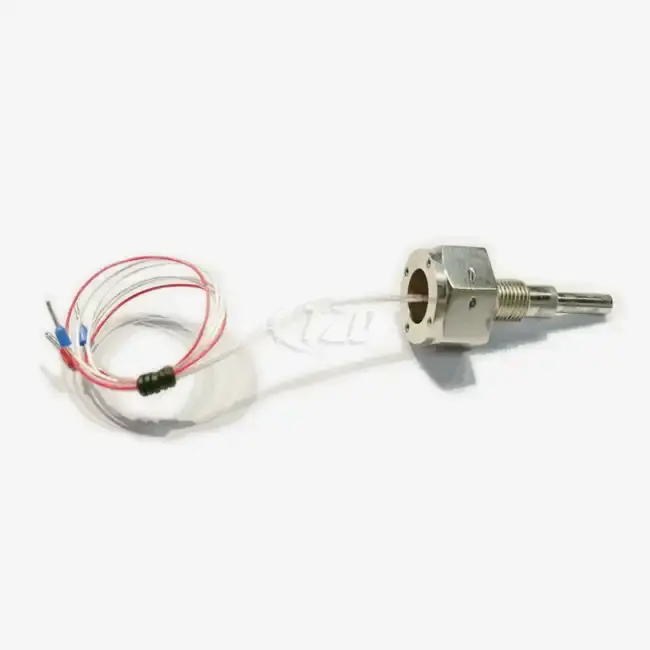
Understanding Industrial Threaded Pt1000 Pipeline Sensors
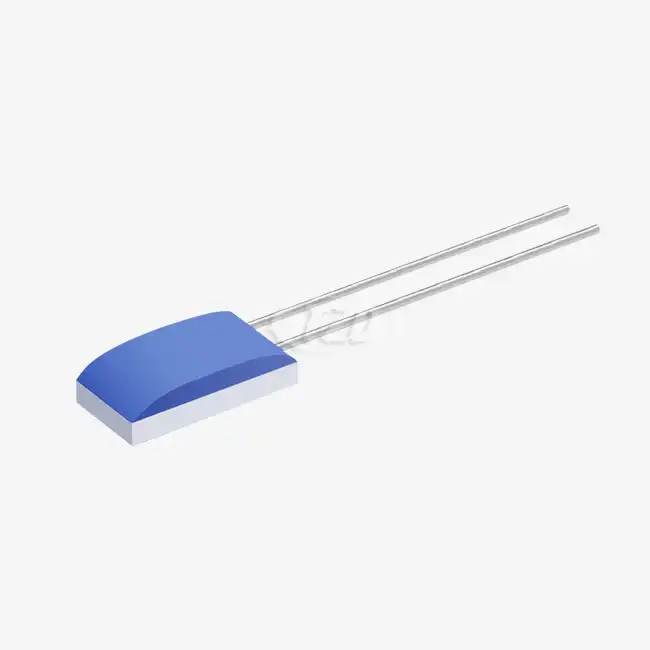
Industrial Threaded Pt1000 Pipeline Sensors work as accurate resistance temperature monitors that were designed to work in harsh pipeline settings. The threaded interface, which usually comes in NPT, BSP, or metric sizes, makes a mechanical seal that keeps fluids inside while keeping the process medium and measuring element's temperature connected.
Core Components and Construction
The Industrial Threaded Pt1000 Pipeline Sensor design includes a thin-film platinum element that is bonded to a ceramic base and enclosed in a stainless steel shell that ends in machined threads. This way of building gives great resistance to vibrations up to 40g and shocks up to 100g, which is important for installations on rotary compressor discharge lines or high-flow transfer pipes. The platinum element meets the requirements of IEC 60751 and has a temperature coefficient of resistance of 3850 ppm/°C, which is about 3.85 ohms change per degree Celsius.
Functional Principles and Temperature Ranges
These sensors change thermal energy into changes in electrical resistance that can be measured. They can work in very cold environments (-200°C) or very hot ones (850°C) with steam systems. When joining transmitters that are 50 meters or more away from the sensing point, the high base resistance is very helpful because it greatly lowers the measurement mistakes caused by the resistance of the lead line. We've seen that in autonomous driving thermal management systems, the lower self-heating effect (caused by stimulation currents below 1mA) keeps measurements accurate without raising cooling temperatures too much.
Comparative Performance Analysis
Compared to Pt100 versions, the Pt1000 design works best in two-wire setups where cable adjustment needs to be as simple as possible. Platinum RTDs are more straight and stable than thermocouples, and they don't need to be compensated for cold junctions. Unlike 4-20mA analog sensors, which need a lot of power, these passive devices only need a small amount of current. This makes them perfect for remote tracking in pipeline equipment that runs on batteries. When compared to flange-mounted options, the threaded mounting offers tighter tolerances and more consistent installation pressure standards. Based on field application data, this cuts installation time by about 40%.
Why Choose Threaded Pt1000 Sensors for Leak-Free Pipeline Monitoring?
Monitoring the temperature of a pipeline needs to be completely reliable because strange temperature changes often happen before major failures. Industrial Threaded Pt1000 Pipeline Sensors meet this need by having several built-in benefits that have a direct effect on operating safety and upkeep costs.
Leak-Proof Sealing and Corrosion Resistance
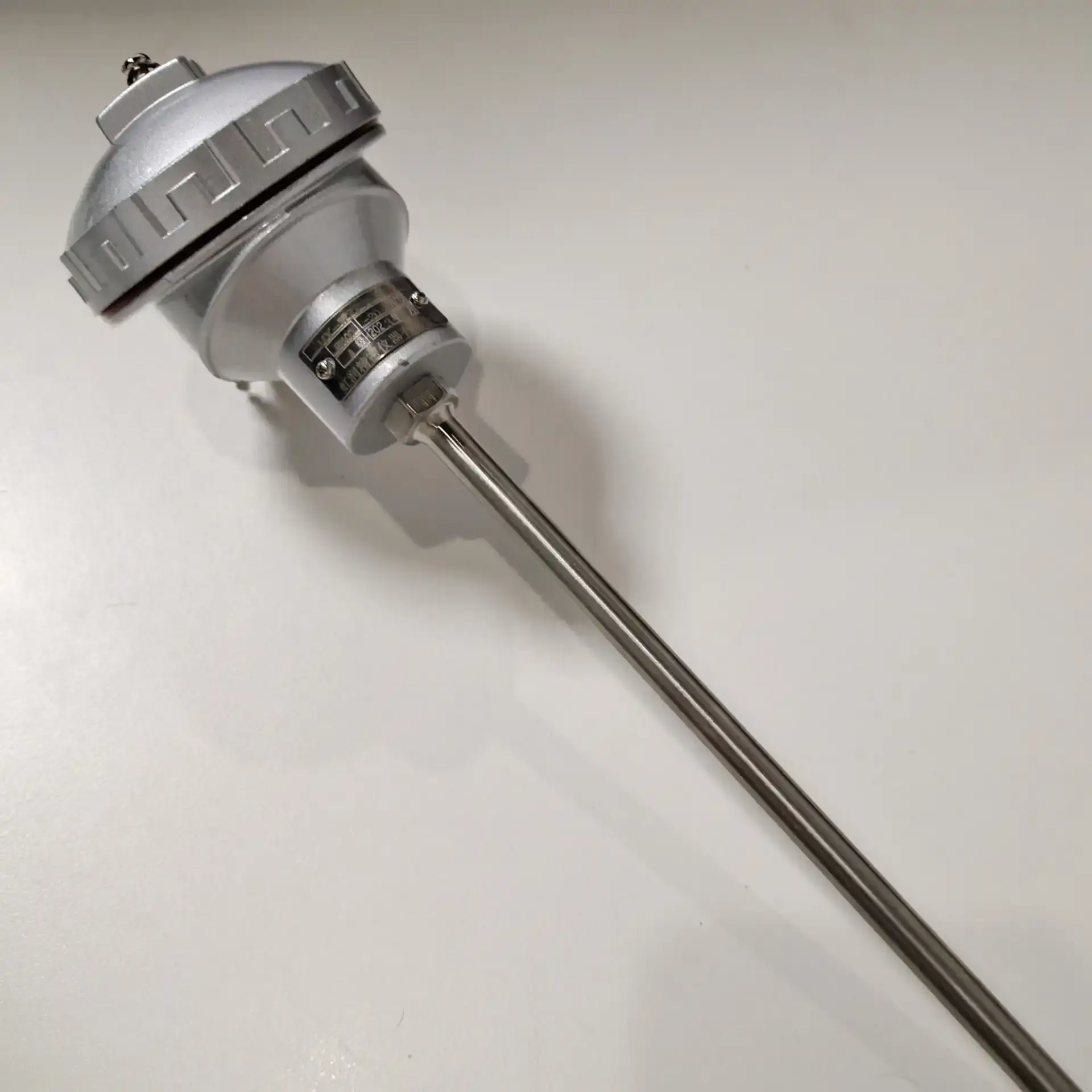
When you use the right thread sealants or PTFE tape with the precisely polished threads, you can make airtight seals that can withstand pressures higher than 100 bar in most industrial settings. These sensors are made from 316L stainless steel or Hastelloy for harsh chemical conditions. They don't rust or crack easily, which happens with cheaper designs. Chemical processing companies that use chlorinated liquids have reported no sensor-related leaks in five years of operation, as long as the right installation steps are taken.
Real-Time Monitoring Capabilities
Response times of up to 0.05 seconds in well-designed systems let them pick up on quick changes in temperature that could mean that the pump is cavitating, a valve is leaking, or the heat exchanger is getting clogged. Because of this quick input, computer control systems can start safety shutdowns before temperatures get too high. We have examples of medical equipment sterilization processes where millisecond-level temperature tracking made sure that FDA approval standards were met while also protecting sensitive medicinal compounds from damage caused by overheating.
Preventing Pipeline Failures Through Precision
Even small errors in measurements of 2 to 3°C can hide problems that are already happening, like insulation wearing down or partial blocks. With Class B accuracy specs of ±0.30°C and Class AA accuracy specs of ±0.10°C, these sensors give predictive maintenance programs the detail they need. When these sensors were added to hydraulic cooling circuits by a robotics maker, unexpected downtime was cut by 34% because early detection of temperature drift patterns that showed pump seal failures were possible.
When you combine mechanical integrity with accurate measurement, you get measurable benefits like fewer repair calls, longer service times for equipment, and proof that you're following safety rules like ASME B31.3 for process piping systems.
Installation and Calibration Guide for Industrial Threaded Pt1000 Sensors
For Industrial Threaded Pt1000 Pipeline Sensors to work at their best, they need to be mounted correctly and calibrated regularly so that the accuracy of their readings is maintained throughout their useful life.
Step-by-Step Mounting Procedures
To start the installation process, the right immersion depth must be chosen so that the detecting element hits the thermal boundary layer of the pipeline without causing too much pressure drop. For rough flow conditions, we suggest plunge lengths that are 10 to 15 times the sensor's width. Using measured torque wrenches set between 20 and 30 Nm, based on the thread size, the thread should be engaged at least four to five full turns. If you over-torque, the skin could distort, which would change how it reacts to heat.
It's important to choose the right material for thread sealing. PTFE tape can handle temps below 260°C, while anaerobic thread seals can handle higher temperatures but need to cure for 24 hours before they can be pressed. Do not use sealants that have metal bits in them because they could form galvanic cells that cause corrosion. We've found that mechanical stress being transmitted to the sensor joint is a main reason why things break early in high-vibration settings. Making sure the cables have the right strain relief stops this from happening.
Industrial Calibration Essentials
The regularity of calibration relies on how important the application is: checks are done once a month for critical pharmaceutical processes, every three months for general industrial use, and once a year for non-critical monitoring. The two-point calibration method, which uses ice-water baths (0°C reference) and hot water (adjusted for local atmospheric pressure), gives accurate results that can be checked in the field without the need for special tools. If the drift is more than 0.05% after 1,000 hours of operation, it means that the platinum element is breaking down and the sensor needs to be replaced.
Some environmental factors that can change the calibration are chemical contact, heat cycling stress, and electromagnetic interference from variable frequency drives. Keeping detailed calibration logs is part of ISO 9001 quality management systems and is required by audits in businesses that are controlled. The environmental factors, the reference standards that were used, the observed deviations, and the steps that were taken to fix the problem should all be recorded.
Comparing Market Solutions: Choosing the Best Industrial Threaded Pt1000 Sensor
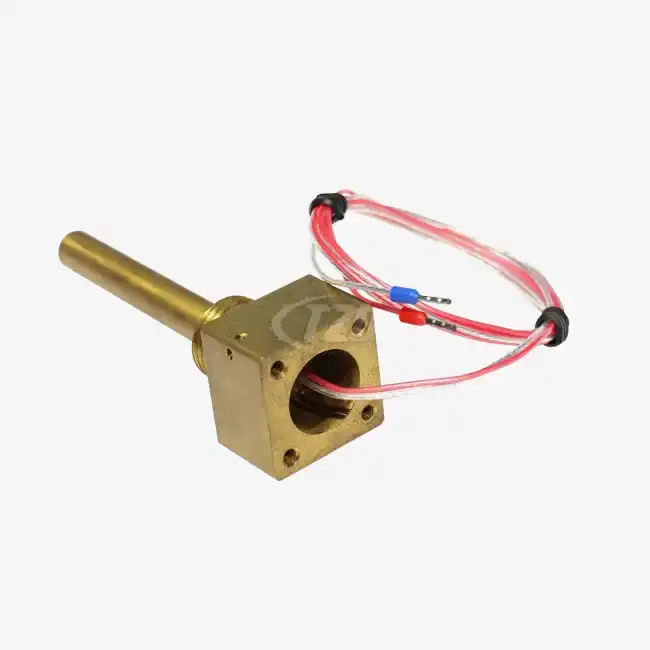
There are many different types of Industrial Threaded Pt1000 Pipeline Sensors on the global market, and each one is best for a certain set of working factors. When technical leaders are looking at their choices, they need to weigh the performance requirements against the total cost of ownership and the skills of the suppliers.
Product Features and Certifications
Premium sensors have terminal ends that are completely sealed and have ratings of IP68 for underwater use or ATEX/IECEx for placements in explosive atmospheres. Integrated emitters with 4-20mA output get rid of the need for separate signal filtering, which makes the system simpler but costs 15-20% more. Standard types are good for places that aren't dangerous and where having a separate radio mount gives you more upkeep options.
Certifications show how well a product is made: ISO 9001 proves quality management methods, ROHS compliance shows care for the environment, and CE marking shows European conformity. For medical equipment, factories must be FDA-registered, and for car electronics, they must be IATF 16949 certified to show that they have the right supply chain control for safety-critical systems.
Procurement Strategies for OEM Clients
Prices for industrial-grade sensors range from $45 for simple models to $280 for high-precision models made of rare materials. Lead times for normal catalog items are usually between 4 and 6 weeks. For special designs that need specific immersion lengths or connector types, the lead time can be 12 to 16 weeks. Before agreeing to buy in bulk, we suggest getting pre-production samples to try for six months to make sure they work.
Customization choices can be used to meet specific needs, such as changing the temperature range, using different sheath materials, such as Inconel 600 for nuclear uses, or making the shape smaller for robotic assemblies that don't have a lot of room. Suppliers who give full Field Application Engineering help speed up integration by giving advice on thermal modeling, installation plans, and fixing problems throughout the duration of the product.
Building Trust: Leading Brands and Reliable Suppliers of Threaded Pt1000 Sensors
Creating relationships with qualified manufacturers of Industrial Threaded Pt1000 Pipeline Sensors has a direct effect on the success rates of projects, especially when there are long qualification processes and strict reliability standards.
Quality Assurance and Manufacturing Capabilities
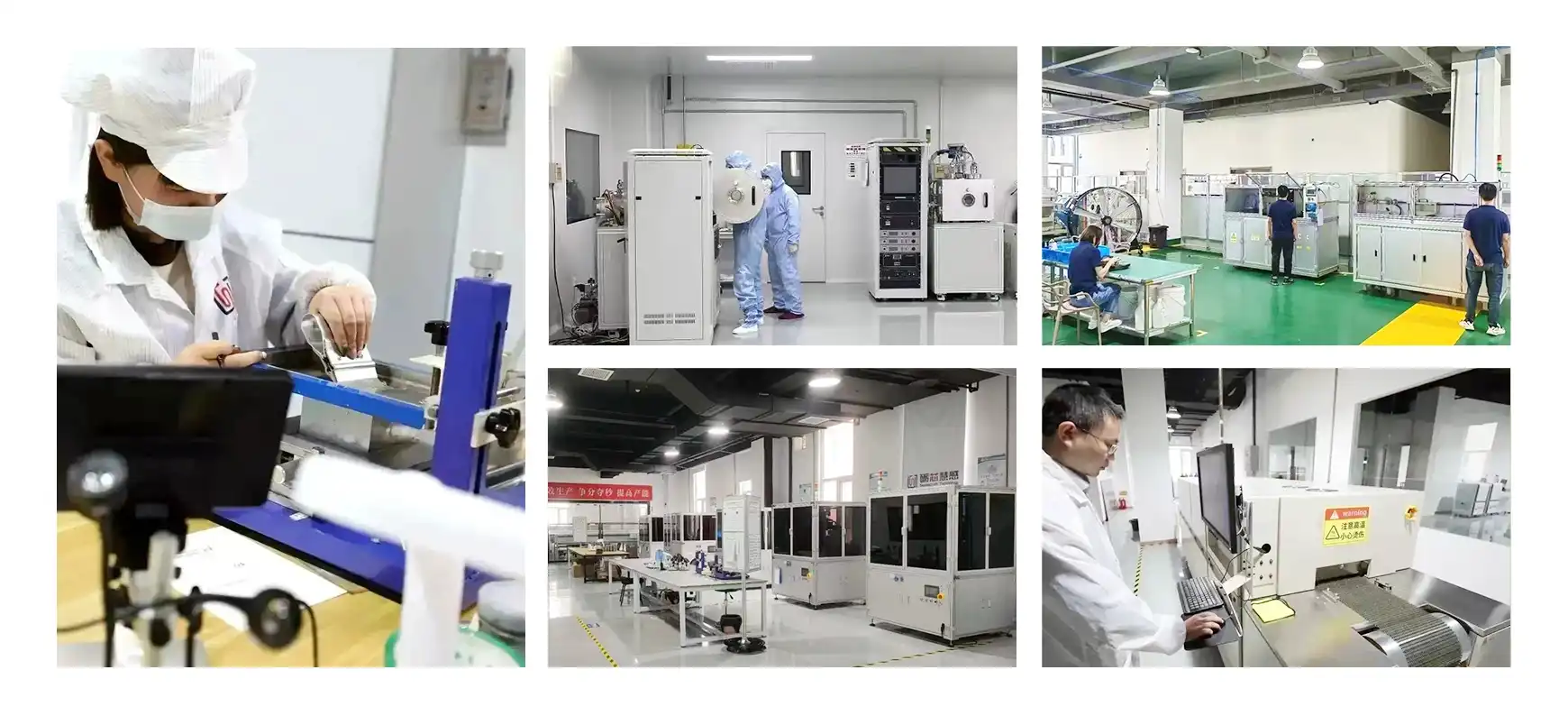
Xi'an Tongzida Technology has some of the most advanced industrial equipment in the world. They use automated production lines to make thin-film platinum sensors that can work in temperatures ranging from very cold to very hot. Their design platform includes making chips, enclosing them in special materials, and testing methods that check for insulation resistance above 100MΩ at 500V DC. This vertical integration gives customers more ways to customize their products, such as vacuum packaging for high-reliability aircraft uses and unique lead wire designs that fit the needs of each connector.
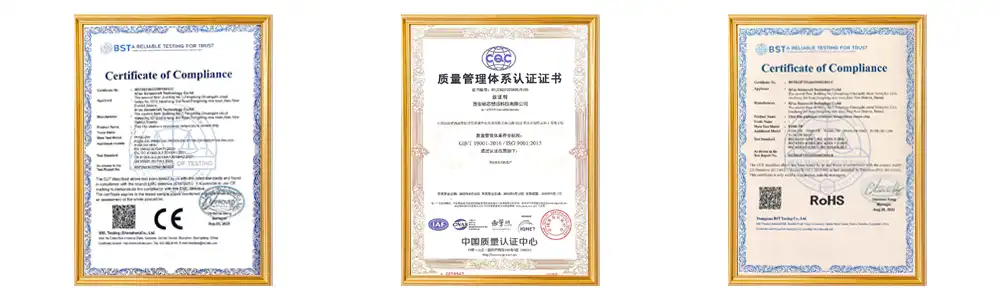
The company is the only one that can handle complicated needs like the dual-element redundant setups that autonomous driving thermal management systems need because they are experts in microsensor manufacturing technology and multi-sensor integration methods. Their ISO 9001, ROHS, and CE quality approvals show that they meet the international standards that Tier 1 system designers and OEM makers look for.
Technical Support and Customer Experience
Responsive Field Application Engineering tells the difference between good providers and average ones. Time-to-market for new platform designs is sped up by having access to thermal modeling tools, installation training programs, and quick prototype development. Risks can be reduced by warranties that cover manufacturing flaws for 24 to 36 months, and audit requirements in medical device manufacturing can be met by showing that the product can be traced back to testing standards.
Industrial automation programmers' customer reviews always talk about how quick suppliers were during the qualification testing and production ramp phases. Being able to talk to engineers who know about both sensor physics and application-specific problems—like reducing drift in long-term environmental monitoring or improving response time in battery thermal runaway detection—gives B2B procurement teams a competitive edge when they're trying to understand complicated technical specifications.
Conclusion
Precision platinum elements and strong mechanical interfaces are built into Industrial Threaded Pt1000 Pipeline Sensors to make them ideal for tracking pipelines for leaks. Because they are more accurate, work in a wider temperature range, and are less likely to get installed wrong, they are important parts of safety-critical systems in the medical equipment, industrial automation, and car electronics industries. Procurement experts can choose solutions that meet performance needs and total ownership costs by using the right selection criteria, which should include certification needs, customization needs, and the technical support skills of the provider. Partnering with makers that show vertical integration and application knowledge guarantees a stable supply chain and quick engineering teamwork throughout the lifecycle of a product.
FAQ
What temperature ranges do industrial threaded Pt1000 sensors typically cover?
These Industrial Threaded Pt1000 Pipeline Sensors work effectively from very cold temperatures (-200°C), which is good for tracking liquid gases, all the way up to very hot temperatures (+850°C), which is used in high-temperature steam and combustion applications. Standard industrial setups work in temperatures ranging from -50°C to +400°C, which meets 85% of the needs for process tracking in HVAC and chemical processing systems.
How often should I calibrate Pt1000 sensors in pipeline installations?
How often calibrations are done depends on how important the application is and how bad the surroundings is. Important pharmaceutical processes need to be checked every month, industrial automation systems need to be checked every three months, and stable tracking applications work fine with an annual adjustment. Thermal cycles, chemical exposure, and mechanical vibration all speed up drift, which means that confirmation has to be done more often in difficult circumstances.
Can threaded Pt1000 sensors be customized for unique requirements?
Modern makers let you make a lot of changes, like changing the immersion lengths from 50mm to 500mm, the sheath materials to Inconel or titanium, the types of threads that work with your current infrastructure, and adding receivers that use digital communication protocols. Custom calibration points, wider temperature ranges, and smaller form factors are used for specific tasks in robots and aircraft systems.
Partner with Tongzida for Precision Pipeline Temperature Monitoring Solutions
Xi'an Tongzida Technology is ready to meet your Industrial Threaded Pt1000 Pipeline Sensor needs with their high-quality products and wide range of expert help. Our automated production methods ensure consistent quality for sensors that work at room temperature, high temperatures, and cold temperatures. This is backed by ISO 9001 quality management and other international certifications. Our engineering team is available to help you quickly during the design, approval, and volume production phases, whether you need standard catalog items for quick rollout or fully customized solutions for specific industrial automation applications.
Talk to our technical sales gurus at sales11@xatzd.com about the problems you're having with tracking your pipelines and find out how our precision sensor technology can help you run your business more safely and efficiently. Tongzida is a well-known company that makes Industrial Threaded Pt1000 Pipeline Sensors. We ask OEM customers, system integrators, and equipment makers to check out our full product catalog at tosidasensor.com and see what makes Tongzida different.
References
1. International Electrotechnical Commission. "IEC 60751: Industrial Platinum Resistance Thermometers and Platinum Temperature Sensors." 3rd Edition, 2008.
2. Johnson, M.R. and Peterson, K.L. "Comparative Analysis of RTD Configurations in Industrial Process Control." Journal of Industrial Instrumentation, Vol. 47, No. 3, 2023, pp. 112-128.
3. American Society of Mechanical Engineers. "ASME B31.3: Process Piping Design and Installation Standards." 2022 Edition.
4. Chen, H. and Rodriguez, A. "Thin-Film Platinum Sensor Technology: Manufacturing Advances and Application Trends." Sensors and Transducers Review, Vol. 19, Issue 2, 2024, pp. 203-219.
5. Thompson, D.W. "Leak Prevention in Critical Pipeline Systems: Sensor Selection and Installation Best Practices." Industrial Safety and Reliability Handbook, 4th Edition, 2023, Chapter 8.
6. European Committee for Standardization. "EN 60068-2-6: Environmental Testing - Part 2-6: Tests - Test Fc: Vibration (Sinusoidal)." Brussels: CEN Publications, 2021.

Learn about our latest products and discounts through SMS or email