- English
- French
- German
- Portuguese
- Spanish
- Russian
- Japanese
- Korean
- Arabic
- Greek
- German
- Turkish
- Italian
- Danish
- Romanian
- Indonesian
- Czech
- Afrikaans
- Swedish
- Polish
- Basque
- Catalan
- Esperanto
- Hindi
- Lao
- Albanian
- Amharic
- Armenian
- Azerbaijani
- Belarusian
- Bengali
- Bosnian
- Bulgarian
- Cebuano
- Chichewa
- Corsican
- Croatian
- Dutch
- Estonian
- Filipino
- Finnish
- Frisian
- Galician
- Georgian
- Gujarati
- Haitian
- Hausa
- Hawaiian
- Hebrew
- Hmong
- Hungarian
- Icelandic
- Igbo
- Javanese
- Kannada
- Kazakh
- Khmer
- Kurdish
- Kyrgyz
- Latin
- Latvian
- Lithuanian
- Luxembou..
- Macedonian
- Malagasy
- Malay
- Malayalam
- Maltese
- Maori
- Marathi
- Mongolian
- Burmese
- Nepali
- Norwegian
- Pashto
- Persian
- Punjabi
- Serbian
- Sesotho
- Sinhala
- Slovak
- Slovenian
- Somali
- Samoan
- Scots Gaelic
- Shona
- Sindhi
- Sundanese
- Swahili
- Tajik
- Tamil
- Telugu
- Thai
- Ukrainian
- Urdu
- Uzbek
- Vietnamese
- Welsh
- Xhosa
- Yiddish
- Yoruba
- Zulu
Pt100 Class A Accuracy per IEC 60751 Standard
The Pt100 Class A RTD is the most accurate temperature sensor that engineers can find for important tasks. This platinum resistance temperature monitor has a resistance of 100 ohms at 0°C and follows the strict IEC 60751 standard, which requires a range of ±(0.15 + 0.002|t|)°C. Class A devices are much more accurate than wider tolerance sensors in harsh environments like cryogenic LNG ports and pharmaceutical autoclaves, where even small temperature mistakes can hurt product quality, safety, and compliance with regulations. When procurement teams have to make important choices about thermal measurements, they need to know about this accuracy standard.
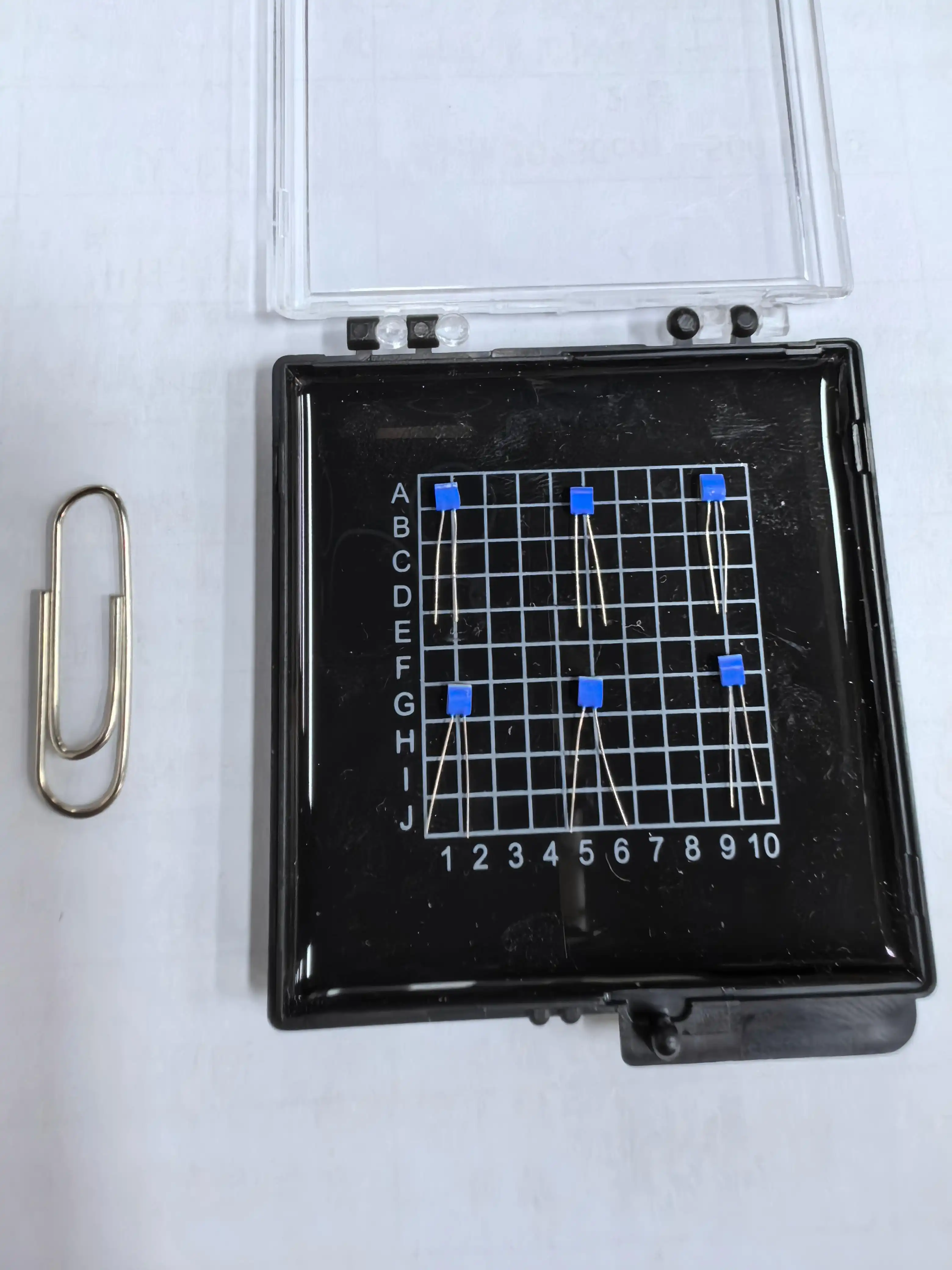
Understanding Pt100 Class A RTD and IEC 60751 Standard
What Defines a Pt100 Class A RTD?
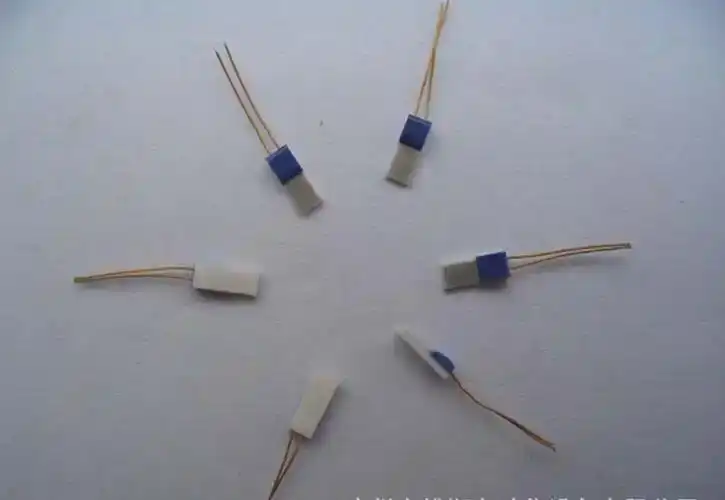
The Pt100 Class A RTD works with the idea that as the temperature changes, pure platinum's electrical resistance changes in a way that can be predicted. The element has a resistance of 100 ohms at 0°C. As the temperature rises, the resistance rises linearly with a known temperature coefficient (alpha) of 0.00385 Ω/Ω/°C. This relationship is the basis of resistance temperature sensing, which lets you keep an eye on temperatures accurately without the problems caused by nonlinearity that come with other technologies like thermocouples.
The "Class A" label means that the sensor meets the precision requirements of IEC 60751. At 0°C, the accuracy window is ±0.15°C, which is half of the ±0.30°C that Class B devices can handle. The tolerance formula ±(0.15 + 0.002|t|)°C is used as the working temperature goes away from zero. This means that at 100°C, Class A allows a deviation of ±0.35°C and Class B allows a deviation of ±0.80°C. This narrower tolerance band is very important in pharmaceutical sterilization-in-place systems, where keeping 121.1°C within very small ranges kills bacteria without breaking down substances that are sensitive to temperature.
How IEC 60751 Shapes Industrial Standards
IEC 60751 (formerly DIN EN 60751) sets the standards for world standardization for platinum resistance thermometers. It does this by describing the materials used to make them, the link between resistance and temperature, and the levels of tolerance. Sensors that can be used with different systems will no longer be a problem thanks to this standardization. Before IEC 60751 was widely used, industrial sites often had to pay a lot of money to recalibrate sensors that stopped working. Today, any complying Class A sensor can be used instead of another without making any changes to the system. This makes repair windows much shorter.
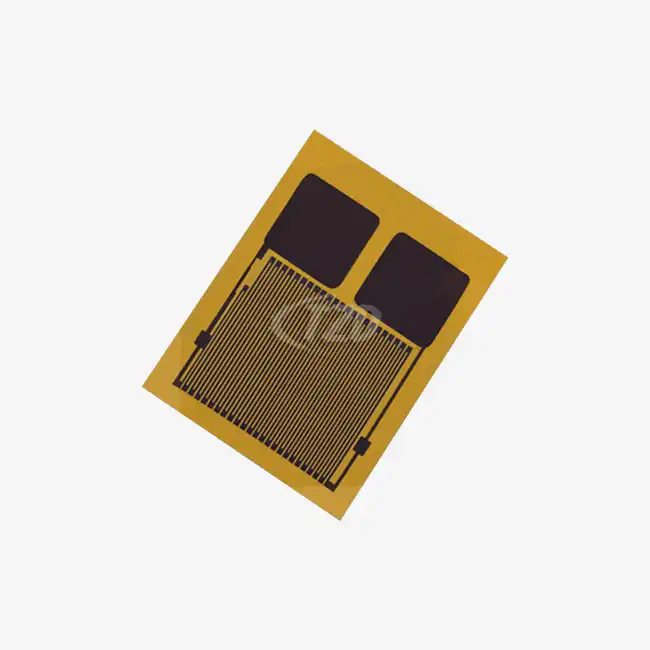
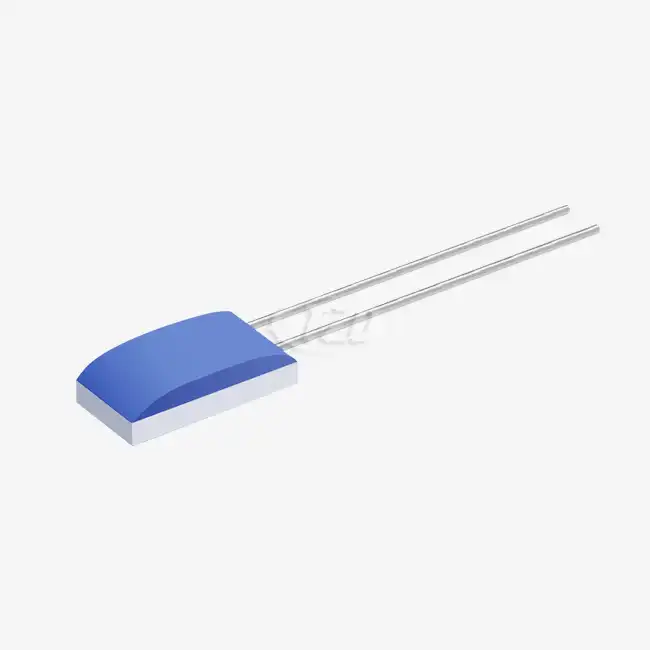
The standard describes two different ways to build things: thin-film and wire-wound. Each has its own benefits. Thin-film RTDs have a platinum layer deposited on ceramic substrates. They have small sizes that make them good for places with limited room, like tools used to make semiconductors. Wire-wound designs use platinum wire wound around a mandrel to provide better long-term stability in places with a lot of shaking, like industrial plants. To get Class A approval, both buildings must pass the same tolerance tests.
Comparing Class A Accuracy to Alternative Sensors
Procurement experts look at methods for measuring temperature and compare how accurate they are to how much they cost, how long they take to respond, and how hard they are to set up. Class B RTDs are cheaper, but they are less accurate—their ±0.30°C error range at 0°C is twice as large as Class A's, so they can't be used in uses that need to be precise. While thermocouples can respond faster and work in a wider range of temperatures, they have problems with compensating for cold junctions and sending millivolt-level output signals that can be harmed by electromagnetic interference in industrial settings.
Digital temperature monitors have the analog-to-digital change built right into the sensing element. This makes wiring easier and makes the system less complicated. But their set calibration curves can't compare to the fact that standardized platinum RTDs can be used with any other RTD. A broken digital sensor usually needs a replacement of the same type, but any IEC 60751-compliant Class A device can be used instead of another, no matter what maker made it. This flexibility is very helpful when handling activities across multiple sites that use a variety of old equipment.
Technical Insights into Pt100 Class A RTD Performance and Calibration
Electrical Principles Behind Resistance Temperature Detection
The Callendar-Van Dusen equation, which describes resistance as a function of temperature very accurately, shows how platinum behaves electrically. The IEC 60751 alpha value of 0.00385 Ω/Ω/°C means that resistance goes up by about 0.385 ohms for every degree Celsius that is close to room temperature. Modern receivers use this connection by sending an exact current (usually 1 milliampere) through the Pt100 Class A RTD element and checking the voltage drop that happens. This voltage can be turned into temperature readings with a resolution of more than 0.01°C using Ohm's law (V = I × R).
Self-heating makes it a little harder to measure. The excitement current drains power from the platinum element, which makes it a little hotter than the air around it. Quality Class A sensors have self-heating values less than 0.1°C/mW in still air, which means that this effect is very small compared to the ±0.15°C safety band. In moving fluids like water or process fluids, convective heat transfer makes self-heating much less important, so it doesn't happen very often in industrial settings.
Wiring Configurations and Their Impact on Accuracy
There is a resistance in the lead wires that directly affects the measured number when an RTD is connected using the two-wire setup. At room temperature, copper leads have a resistance of about 0.02 ohms per foot. This means that even short wire runs can introduce mistakes that are higher than Class A tolerances. This method is still fine for non-critical tracking where an accuracy of ±1°C is enough.
Three-wire designs are most common in industry. They use matched lead wires and differential measurement methods. The emitter measures voltage through one pair of leads while passing current through another. This means that lead resistance is not taken into account in the measurement. This method cuts down on error to almost nothing as long as the resistances of the two return leads stay the same. This is easy to do with twisted-pair cable. The cost of installation is a little higher than for 2-wire systems, but still much lower than for 4-wire systems.
By splitting the excitation and sense circuits, the 4-wire design gets rid of all lead resistance effects. A high-impedance voltmeter reads the potential across the RTD through a second pair of wires that draw almost no current. Current runs through the first pair of wires. The detecting leads don't carry any current, so their resistance doesn't add any mistake. To keep Class A accuracy during metrology-grade calibration processes, laboratory reference standards only use 4-wire links. When wire runs are longer than 100 feet or when accuracy needs get close to the basic sensor tolerance limits, this setup is used for field installations.
Calibration Methods That Preserve Class A Performance
The accuracy of an RTD is checked in a lab by comparing it to NIST-traceable standards in temperature-controlled tanks. The sensor and reference probe are put into a stable medium, which is usually silicone oil for mid-range temperatures, and resistance values are recorded at several setpoints. Differences from the IEC 60751 resistance-temperature table show that the calibration has moved. This is usually due to the platinum grain border moving or the sensing element's mechanical stress relaxing.
Most workplace settings only need to recalibrate once a year, but tough conditions may need to be checked every six months. When reactive compounds get through protective sheaths and contaminate the platinum film, they often cause increased drift in chemical process businesses that work with corrosive substances. On the other hand, HVAC tracking systems that are used in safe places usually keep their Class A accuracy for 5 years or more without any help. Calibration certificates that are signed and dated are needed for ISO 9001 compliance and government checks in the pharmaceutical production industry.
By not having to take sensors off of process equipment, on-site testing methods cut down on downtime. With portable dry-block calibrators, a precisely heated metal block is put around the tip of the RTD probe. This sets a known temperature reference right where the probe is placed. This method checks that sensor performance is within acceptable ranges without stopping production, but it is not as exact as laboratory baths (it usually gets within ±0.25°C). Process engineers often use on-site ways for checking every three months in between full laboratory calibrations.
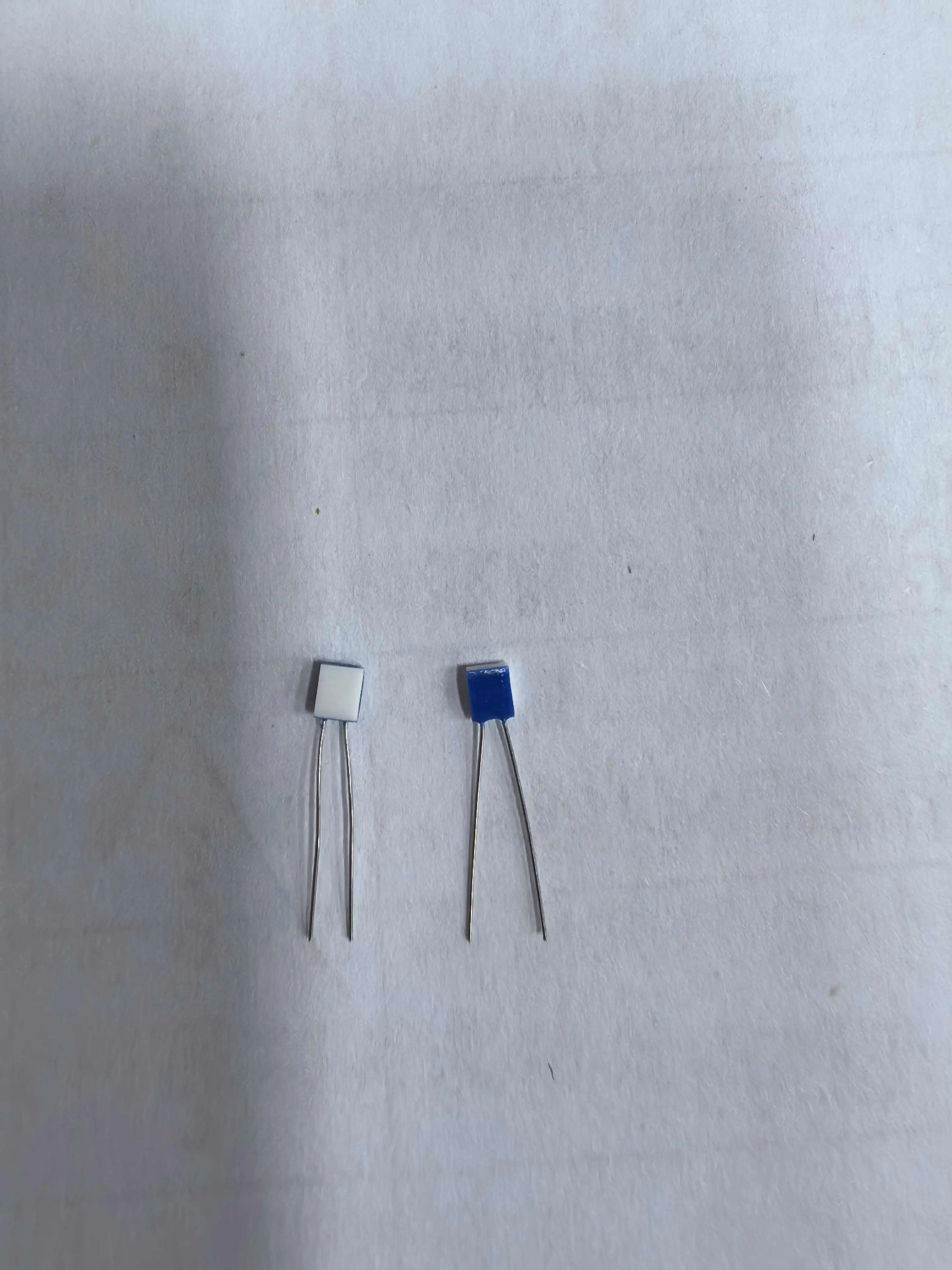
Selecting the Best Pt100 Class A RTD Sensor for Your Industrial Needs
Key Procurement Criteria for High-Performance Applications
Even though accuracy specs are the most important part of the evaluation process, buying teams need to look at more than just the ±0.15°C Pt100 Class A RTD tolerance to get a sense of how unclear the whole system is. Individual component mistakes are made worse by transmitter resolution, wiring setup, and installation methods. If you pair a Class A sensor with a low-resolution monitor, the system may not be more accurate than a Class B sensor. By choosing a transmission resolution of 0.01°C and 4-wire links, the whole measurement chain will keep the sensor's natural accuracy.
The type of structure and materials used are determined by the temperature range needs. Thin-film sensors can usually work in temperatures between -50°C and +500°C, but some types can work in temperatures up to +600°C for short periods of time. Wire-wound designs can normally handle -200°C cryogenic uses, which are necessary for tracking LNG storage, and can also run continuously at +850°C in kilns for making glass. When rated limits are exceeded, temperature cycle causes mechanical stress and material phase changes within the platinum element, which speeds up the drift in the calibration.
Specifications for mechanical strength talk about how well something can handle vibrations, shocks, and pressure. During the making of cars, robotic welders and assembly line trucks constantly vibrate process equipment. RTD sensors designed for 30g vibration can handle these conditions without any element failure, but lower-rated devices have wires break at support places before they're supposed to. Durability is also affected by the probe's diameter and the material of its sheath. For example, 6mm stainless steel sheaths are much more resistant to impacts and wear than 3mm versions, but bigger sizes make thermal response time take longer.
Evaluating Manufacturers and Supply Chain Reliability
Well-known sensor makers like Honeywell, WIKA, and Siemens have a wide range of products and have been making sensors for decades. Their products are put through a lot of quality control checks, such as heat cycling across the required range and long-term drift studies that back up the published specs. Full datasheets list building materials, reaction times, and environmental rates, which let engineers simulate how the system will work before they buy it. Global distribution networks make sure that replacements are easy to find, which is very important when handling equipment that has a lifetime of many decades.
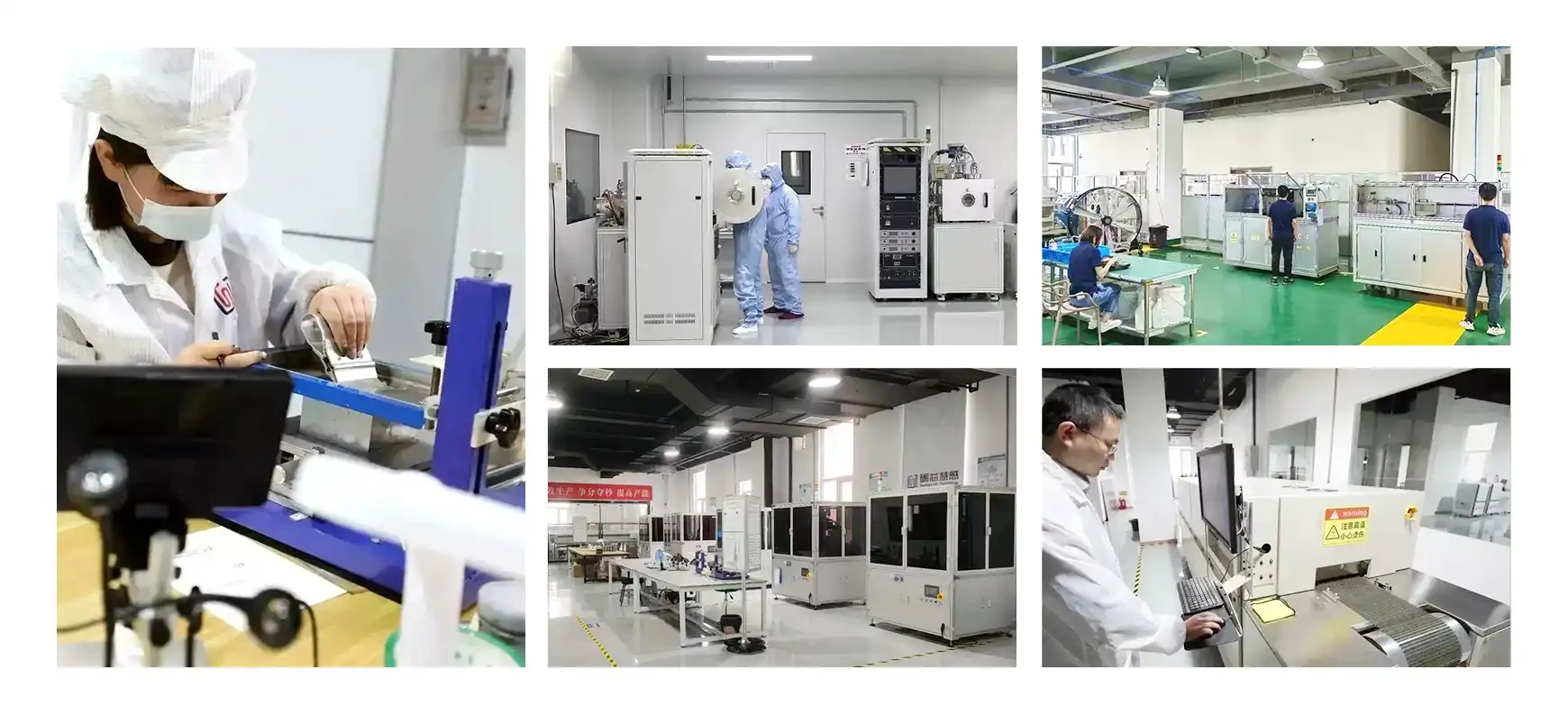
Customization options that big makers can't afford are often available from regional sources. This is shown by Tongzida, a company based in Xi'an, China, which has a manufacturing platform that is vertically merged and includes chip design, sensor assembly, and system integration. Their production lines for thin-film temperature sensors make Class A devices with limits of up to ±0.01 Ω (1/30B level), which is better than the standard IEC 60751 requirements for certain uses. Custom lead materials, such as platinum-nickel, silver-nickel, and pure platinum choices, meet the specific chemical interaction needs of bioprocessing and pharmaceutical reactors.
Customization Benefits and Bulk Procurement Advantages
About 80% of industrial temperature measurement needs are met by standard stock sensors, but there is a big gap for more specific needs. Custom probe lengths perfectly match the size of the vessel, so there are no dead spots in reactors and mixing tanks. Thread fittings that are made for a certain job, like sanitary tri-clamp connections for food preparation or high-pressure NPT joints for steam systems, cut down on installation time and get rid of the thermal lag that comes from adapters. When procurement teams work with makers that offer custom solutions, they can avoid expensive changes to the field and get the best test performance.
Volume buying deals save a lot of money and make sure that supplies will be available for a long time. OEM equipment makers who put sensors in thousands of units every year discuss prices that take into account economies of scale. In addition to lower unit costs, bulk arrangements often include vendor-managed inventory programs that let the seller handle storage while still ensuring just-in-time delivery. These setups are especially helpful for Tier 1 car suppliers who have to balance lean manufacturing principles with the fact that lead times for parts can vary.
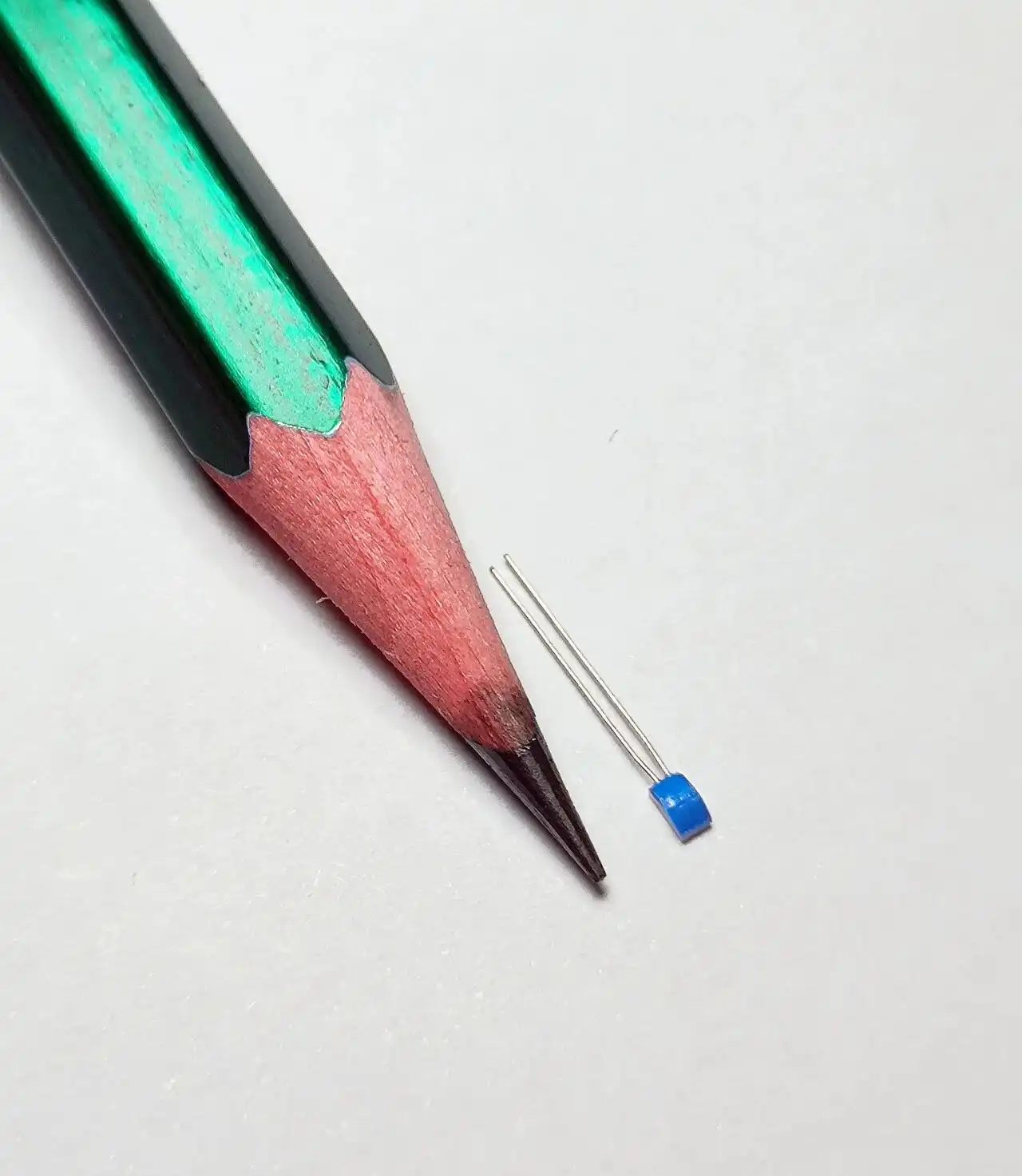
Benefits and Applications of Pt100 Class A RTD in Industrial Settings
Advantages in Process Control and Operational Efficiency
Precision temperature measuring directly leads to better product quality in all industrial fields. Pt100 Class A RTD accuracy is needed to keep reaction rates within the best ranges in chemical reactors that are working near key polymerization temperatures. Deviations as small as 0.5°C can change the molecular weight distribution, which changes the properties of the end product. Tough limits are used in the pharmaceutical business when making active ingredients. If the temperature changes, batches have to be thrown out, which can cost hundreds of thousands of dollars. Buying high-quality sensors stops these loses and lowers the cost of quality assurance tests.
Stability over time lowers the need for frequent tuning and the downtime that comes with it. Class A sensors from reliable manufacturers have drift rates below 0.05°C per year when they are working normally, which lets verification gaps be longer. This steadiness is very different from thermocouple performance, where joint degradation means they need to be replaced and calibrated all the time. Less upkeep means lower total cost of ownership, even if the sensors cost more at first. This is an important thing for facility managers who are in charge of various production lines to think about.
Real-World Applications Across Industry Sectors
Class A sensors are used by industrial building HVAC systems to control the temperature in different zones and handle energy use. Keeping the temperature within ±0.5°C lowers complaints from occupants and increases the efficiency of heating and cooling systems. Building automation systems use RTD inputs to change the positions of dampers and the openings of valves. This saves 15-20% of energy compared to systems that use timers with lower accuracy. Precision monitors pay for themselves in two to three years by lowering the cost of utilities in big buildings.
Chemical factories use Class A RTDs in the distilling columns, where accurate temperature tracking decides how well the chemicals separate and how pure the final product is. Column workers keep an eye on differences in temperature between trays to find flooding situations and find the best reflux ratios. Sensing that isn't accurate results in products that don't meet specifications and need to be reprocessed or thrown away. This wastes energy and raw materials and slows down production. One big petrochemical plant saw a 3% rise in yield after switching their aromatics complex from Class B sensors to Class A sensors.
Sterilizers for medical equipment need Class A accuracy to make sure that deadly temperatures are not reached during disinfection rounds. Regulations say that all instrument surfaces must be recorded as reaching certain minimum temperatures for certain amounts of time. Usually, this means that they must be heated to 134°C for 3 minutes in steam autoclaves. Class B monitors aren't accurate enough to safely check these conditions, which could lead to sterilization that isn't complete or cycles that last too long and damage heat-sensitive instruments. To find a balance between patient safety and equipment life, hospitals and surgery centers choose Class A devices.
Case Studies Demonstrating ROI and Reliability
During reflow soldering, it was hard for a car electronics maker to keep the temperature under control while adding ADAS cameras to vehicle parts. Their old Class B sensors had a ±0.8°C error at their hottest points, which made it unclear whether the temperature profiles stayed below the damage limits for the parts. Once they switched to Class A sensors that were accurate to within 0.35°C at working temperature, the number of defects caused by thermal stress dropped by 40%. This meant that expensive repairs and guarantee claims were no longer needed. The money spent on upgrading the sensors was returned in less than six months just by cutting down on waste.
Class A RTDs were used in the ultra-high temperature pasteurization system of a food processing plant that made aseptic beverage packing. To meet regulatory requirements, there had to be proof that product lines were heated to 135°C for at least 4 seconds in order to be commercially sterile. When tracking was done before with less reliable sensors, temperature setpoints had to be careful (137°C real) to make sure that there was as little exposure as possible. This extra heat made the flavors and nutrients less good. With Class A precision, setpoints could be lowered to 135.5°C while compliance trust stayed high. This led to significantly higher scores on taste tests and higher ratings of customer acceptance.
Troubleshooting and Maintenance for Pt100 Class A RTD Sensors
Common Failure Modes and Diagnostic Techniques
Signal drift is the smallest type of failure. It shows up as a slow change in measurements over months or years. When process fluids get into broken sheaths and contaminate platinum elements, they introduce impurities that change how resistance-temperature properties work. During regular verification checks, this drift is seen when compared to a measured reference probe. If the measured drift goes over half of the Pt100 Class A RTD tolerance band, which is about ±0.075°C at 0°C, the part needs to be replaced to keep the process quality from going down.
Wiring problems show up right away and are easy to spot. When there are open circuits, the transmission displays show "SENSOR FAIL" or numbers that are too high or too low, like -999°C. When links go out and on, data become erratic and change without warning, which confuses control algorithms and sets off unnecessary alarms. When you test resistance at the terminal blocks, you can tell the difference between wiring problems and element failures. For example, a 3-wire RTD should show about 100 ohms of resistance between the two wires that are linked to one element lead, and an infinite resistance to ground on the third wire. Deviations show that the wires are broken or that water is getting into the junction boxes.
Preventative Maintenance Strategies
Visual checks every three months find physical damage before it becomes a total failure. Check the sheaths of the probes for rust, dents, or coating wear that could make the environmental seals less effective. When installed outside, where temperatures can change and water can get in, junction boxes and cable glands need extra care. Water that shorts out RTD leads or corrodes terminal connections can be stopped by tightening cable gland compression fittings and changing seals that are worn out.
Verification of calibration once a year keeps measurements accurate and meets the needs of the quality control system. By writing down sensor serial numbers, calibration dates, and recorded variations, you can find performance trends that can help you figure out when to replace the sensors. Sensors that are getting close to their tolerance limits can still be used for non-critical tracking, but they should not be used in apps that need full Class A accuracy anymore. This tiered method makes the best use of assets while keeping important process control points safe.
Upgrade Pathways and Replacement Considerations
As technology changes, sensors' abilities keep getting better beyond the basic IEC 60751 requirements. Response speeds of modern thin-film designs are less than 0.1 seconds in moving water, which is five times faster than wire-wound designs of the past. This makes it possible for better control loop performance. Better resistance to vibrations up to 40g works well for new uses in robots and drone propulsion systems where older sensors broke down too soon. By testing these advanced standards during replacement cycles, small improvements in performance can be seen without having to rethink whole measurement systems.
Replacing a sensor opens up chances to improve the way the wiring is set up. During routine maintenance, switching from 3-wire setups to 4-wire arrangements gets rid of the lead resistance mistakes that happen in old cables. The extra cost of adding one wire to each sensor is usually worth it because it improves precision and makes debugging easier. Planning these upgrades to happen when the plant is closed reduces downtime and brings the measurement equipment up to date.
Conclusion
The Pt100 Class A RTD accuracy according to IEC 60751 gives current manufacturing processes the accuracy, repeatability, and interchangeability they need. These sensors allow for precise process control that has an effect on product quality, legal compliance, and operating efficiency. They are used in a wide range of settings, from sterilizing pharmaceuticals to putting together electronics in cars. When buying teams know the technical specs, testing needs, and application factors, they can choose the best sensing solutions that meet both short-term measurement needs and long-term reliability goals. The investment in Class A performance always pays off because it leads to less waste, longer machine lifecycles, and better process capability.
FAQ
Q1: What accuracy difference exists between Class A and Class B RTDs?
A: Pt100 Class A RTD sensors have a tolerance of ±0.15°C at 0°C and a tolerance of about ±0.35°C at 100°C. Class B devices can handle ±0.30°C at 0°C and ±0.80°C at 100°C. Class A is needed for pharmaceutical approval, semiconductor processing, and other tasks where sub-degree accuracy affects product quality or regulatory compliance because of its smaller tolerance band. Class B is good for general HVAC tracking and non-critical process signaling where more uncertainty is okay.
Q2: Why do critical installations prefer 4-wire RTD configurations?
A: By splitting voltage sensing circuits from excitation current routes, four-wire links get rid of all lead resistance. This setup is needed when the wire runs longer than 100 feet, when working close to tolerance limits, or for reference purposes in the lab. The extra cost of installation is worth it to keep the basic Class A accuracy that 2-wire or 3-wire setups can lose as lead resistance mistakes build up over long cable lengths or changes in temperature.
Q3: Can Class A RTDs operate reliably above 450°C?
A: IEC 60751 Class A tolerance standards only cover temps between -200°C and +450°C, even though platinum elements can physically handle higher temperatures. When the temperature goes above this range, sensors usually only work within Class B limits or need to be calibrated for high temperatures by the maker. Specialized wire-wound designs with ceramic separators make the temperature ranges useful up to +850°C, making them good for furnaces used for making glass and heat treatment. However, claims of accuracy must be based on custom calibration curves instead of standard IEC 60751 tables.
Partner with Tongzida for Your Pt100 Class A RTD Requirements
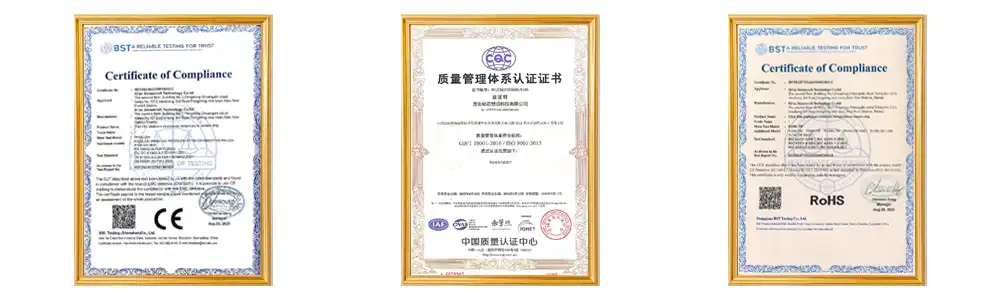
Xi'an Tongzida Technology is a specialized Pt100 Class A RTD maker that can do everything in-house, including designing chips, automating production, and integrating custom parts. Our thin-film platinum resistor line has the best accuracy in the industry at ±0.01 Ω (1/30B level) across temperature ranges from -200°C to +850°C. It is certified by ISO 9001, ROHS, and CE. Our sensors work great in difficult medical, aerospace, and automobile uses because they can respond in as little as 0.05 seconds and can handle up to 40g of vibration. Get in touch with our expert team at sales11@xatzd.com to talk about unique solutions, the benefits of buying in bulk, and how our FAE support makes sure that integration goes smoothly. You can look at all of our RTD suppliers at tosidasensor.com.
References
1. International Electrotechnical Commission, "IEC 60751: Industrial Platinum Resistance Thermometers and Platinum Temperature Sensors," Edition 3.0, 2022.
2. Nicholas, J.V., and White, D.R., "Traceable Temperatures: An Introduction to Temperature Measurement and Calibration," 2nd Edition, Wiley Publishing, 2001.
3. Bentley, R.E., "Temperature and Humidity Measurement," Springer Handbook of Materials Measurement Methods, 2006.
4. Liptak, B.G., "Instrument Engineers' Handbook: Process Measurement and Analysis," 4th Edition, CRC Press, 2003.
5. ASTM International, "ASTM E1137/E1137M-20: Standard Specification for Industrial Platinum Resistance Thermometers," Annual Book of ASTM Standards, 2020.
6. Burns, G.W., and Scroger, M.G., "The Calibration of Thermocouples and Thermocouple Materials," NIST Special Publication 250-35, National Institute of Standards and Technology, 1989.

Learn about our latest products and discounts through SMS or email